Universal has reached a turning point—and it’s making that clear through action rather than words. For years, Disney has occupied certain corners of the theme park industry with near-total confidence. Some offerings felt so firmly established that competition barely seemed possible. Guests trusted those experiences instinctively.
Universal is now challenging that comfort. Not with a subtle adjustment, but with a move that directly tests one of Disney’s most recognizable strengths.
Why Disney’s Formula Has Worked So Well
Disney World’s success rests on its ability to bring vastly different audiences together in the same space. Its parks prioritize accessibility, familiarity, and variety, allowing everyone, from toddlers to grandparents, to find something that suits them.
Magic Kingdom exemplifies this approach, but the rest of the resort reinforces it. EPCOT’s interactive attractions, Animal Kingdom’s trails and shows, and Hollywood Studios’ character-driven experiences all support a carefully calibrated ecosystem.

Universal’s High-Intensity Legacy
Universal, by contrast, built its name on excitement. Its parks became known for pushing limits—faster launches, bigger thrills, and immersive experiences that demanded full attention.
That identity attracted a loyal audience, but it also shaped perceptions. Universal became the place guests planned for later, once everyone in the group could meet height requirements and handle the intensity.
DreamWorks Land Changes the Tone
DreamWorks Land marked a significant shift. Its design focused on color, movement, and familiarity rather than speed or scale. Characters children already knew became the focus, and the atmosphere invited exploration rather than endurance.
The land didn’t replace Universal’s thrill identity—but it expanded it. For the first time, younger visitors weren’t just accommodated; they were actively welcomed.
Islands of Adventure’s Limited Reach
Universal had already experimented with younger-focused areas at Islands of Adventure. Seuss Landing offers whimsical visuals and gentler rides, while the Jurassic Park Discovery Center and play spaces provide families with a welcome respite.
Still, these areas functioned as exceptions. They softened the edges but didn’t redefine the core experience.
A Purpose-Built Park Raises the Stakes
Universal’s latest project changes that equation entirely. The company is opening a new theme park in Texas designed specifically for younger guests, rather than adapting existing parks to fit them.
In announcing the Universal Kids Resort, Universal Creative President Molly Murphy emphasized play, creativity, and storytelling as the foundation of thehttps://www.disneydining.com/universals-new-power-move-has-disney-fans-panicking-sb1/mpv destination—bringing Universal’s experiences closer to families in a regional setting.
Exploring the Lands
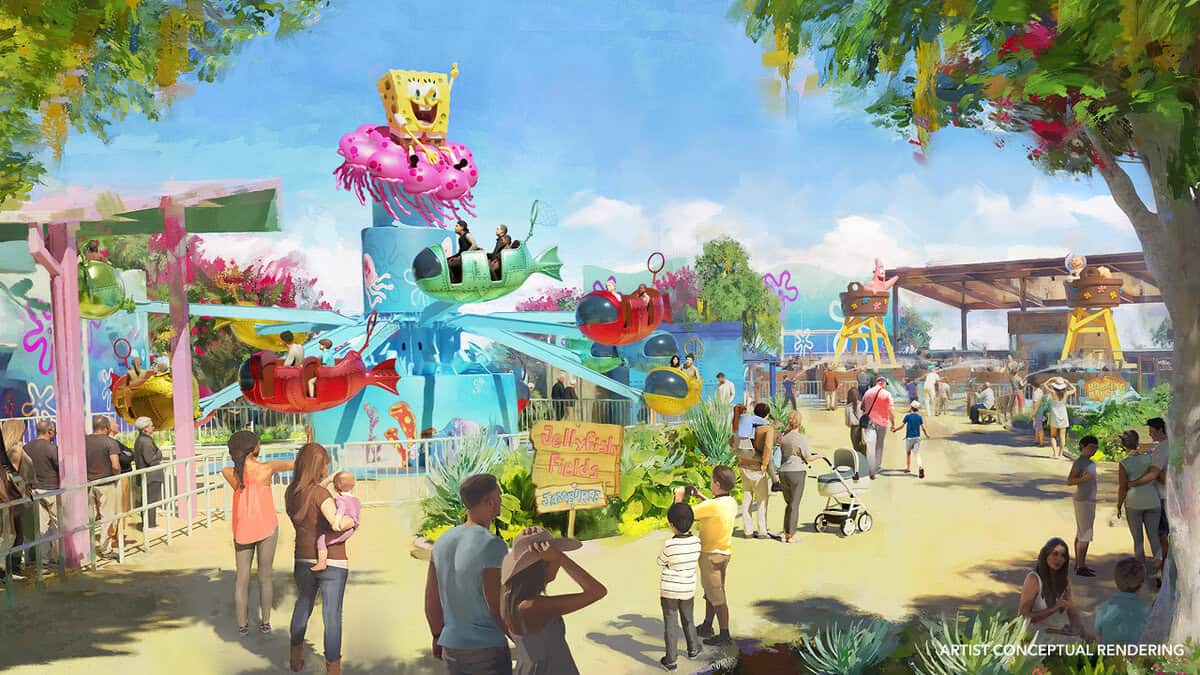
Each land leans into immersion without intimidation. Jurassic World Adventure Camp focuses on exploration. Bikini Bottom recreates SpongeBob’s chaotic charm. Shrek’s Swamp invites story-driven play, while Minions vs. Minions adds water-based energy.
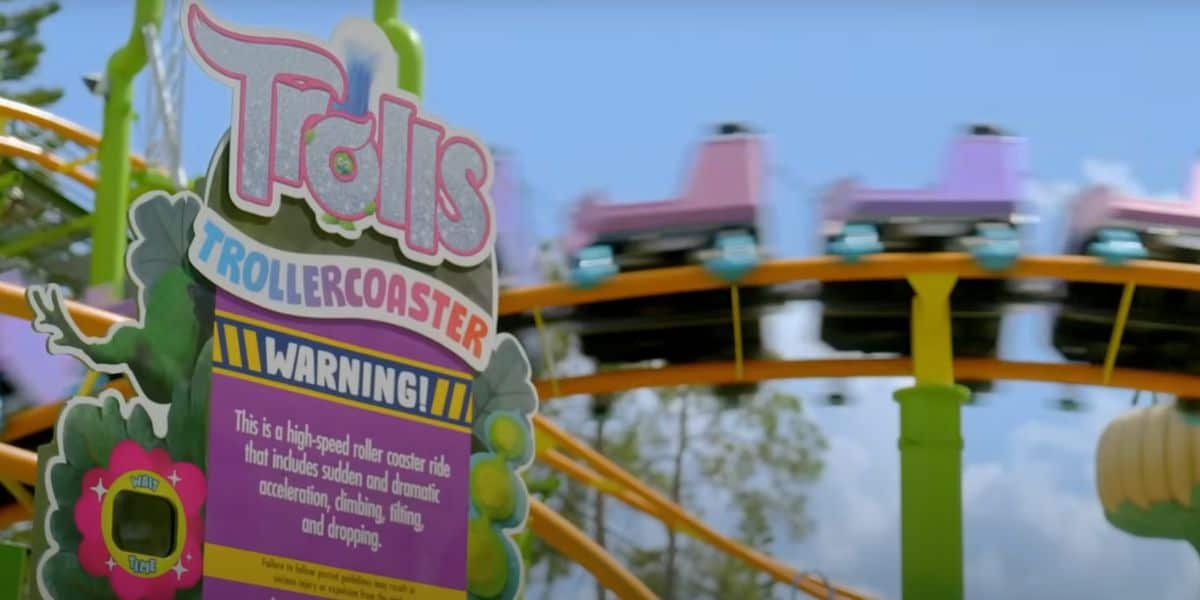
TrollsFest introduces music and movement, Puss in Boots Del Mar blends shows with gentle attractions, and Isle of Curiosity provides a central space designed for flexibility and calm.
A Complete Resort Experience
Universal isn’t treating this as a one-day stop. An onsite hotel supports the park with family-friendly layouts, playful amenities, and adult-focused spaces designed to make longer stays comfortable.
The design reflects a broader understanding: trips succeed when everyone feels considered.

Why This Matters for Disney
Disney’s position remains strong—but this move challenges the assumption that it stands alone. Universal isn’t trying to replace Disney. It’s offering an alternative, and alternatives change behavior over time.
The Rivalry Enters a New Phase
This isn’t about one vacation or one park. It’s about shaping expectations early and building loyalty over the years. Universal has made its move. Now the question is how Disney adapts when the playing field no longer looks the same.